 Santa Cruz, Scotts Valley CA
Bruxism (teeth grinding) and temporomandibular joint (TMJ) disorders are two dental conditions that can have a major impact on your oral health and overall well-being. Many residents of Scotts Valley, CA, struggle with jaw pain, headaches, or worn teeth without realizing these issues may be linked. Understanding the connection between Bruxism and TMJ, and seeking proper treatment, is essential for maintaining a healthy, pain-free smile.
What is Bruxism?
Bruxism refers to the involuntary grinding or clenching of teeth. This often occurs during sleep, making it hard to detect without the help of a dental professional. Over time, untreated Bruxism can cause serious dental and jaw problems.
Common Consequences of Bruxism
- Tooth Damage: Grinding can wear down enamel, cause chips, or even fractures.
- TMJ Dysfunction: The stress on the jaw joint from chronic grinding can lead to TMJ disorders, causing pain, limited jaw movement, and clicking or popping sounds.
How Bruxism Leads to TMJ Disorders
The connection between Bruxism and TMJ pain is well-documented. Continuous grinding and clenching place excessive strain on the jaw muscles and joints, which can trigger or worsen TMJ disorders.
Mechanisms of TMJ Development from Bruxism
- Muscle Strain: Constant pressure from grinding overworks jaw muscles, leading to fatigue and soreness.
- Joint Inflammation: Excessive force can inflame the temporomandibular joint, causing pain, limited mobility, and audible jaw sounds.
Typical TMJ Symptoms
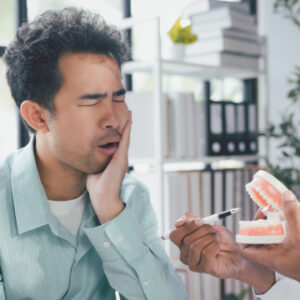
- Jaw pain or tenderness, especially when chewing or speaking
- Frequent headaches or tension headaches
- Ear pain or pressure
- Difficulty opening or closing the mouth
- Clicking, popping, or locking of the jaw
Effective TMJ Treatment in Scotts Valley, CA
At Ebrahimian Integrative Dentistry, TMJ care is customized to each patient’s specific needs. Treating Bruxism and TMJ together ensures long-lasting relief and prevents further dental damage.
Common Treatment Options
- Custom Night Guards or Splints: Protect teeth from grinding and reduce jaw strain
- Physical Therapy: Exercises to relax jaw muscles and improve mobility
- Medications: Anti-inflammatory drugs or muscle relaxants to ease pain
- Lifestyle Adjustments: Stress management techniques, dietary changes, and posture improvement to reduce jaw tension
Preventive Measures and Self-Care
While professional TMJ treatment is essential, patients can also take steps at home to reduce the effects of Bruxism:
- Manage Stress: Techniques like yoga, meditation, or deep breathing can minimize teeth grinding.
- Dietary Adjustments: Avoid hard, crunchy, or chewy foods that strain the jaw.
- Oral Hygiene: Regular dental check-ups help detect early signs of teeth wear and jaw problems.
- Improve Sleep Habits: Consistent sleep routines and a relaxing bedtime environment can reduce nighttime Bruxism.
Conclusion
Bruxism and TMJ disorders are closely linked, with one often contributing to the other. Early recognition and treatment are key to preventing long-term dental damage, reducing pain, and restoring jaw function. Residents of Scotts Valley, CA, can find personalized care at Ebrahimian Integrative Dentistry, where a comprehensive approach to TMJ treatment addresses both Bruxism and jaw joint issues.
Contact Information:
Ebrahimian Integrative Dentistry
Scotts Valley, CA
📞 (831) 438-4411
Don’t let Bruxism or TMJ pain control your life. Call today to schedule a consultation and take the first step toward lasting relief and a healthy, functional smile.