Santa Cruz, Scotts Valley CA
Sleep apnea is a serious, potentially life-threatening condition. Once diagnosed, treatment is essential to prevent complications such as heart disease, high blood pressure, stroke, and daytime fatigue.
For many patients, doctors prescribe CPAP (continuous positive airway pressure) therapy. While CPAP is effective, studies show that up to half of patients stop using it, leaving them at risk for the serious consequences of untreated sleep apnea.
If you’re struggling with CPAP, you’re not alone. Understanding why people quit can help you explore comfortable and effective alternatives with a qualified sleep dentist.
1. Uncomfortable Masks
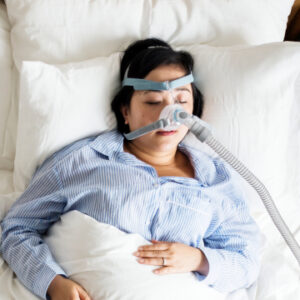
CPAP masks vary—full-face, nasal, or mouth-only—but many people find them uncomfortable. Some patients struggle to sleep with any mask style, experiencing discomfort, irritation, or claustrophobia.
2. Demanding Cleaning Routine
CPAP machines require daily and weekly maintenance. Every part needs thorough cleaning and complete drying before the next use. For some, this process is tedious and discouraging.
3. Increased Risk of Infections
CPAP can sometimes lead to nasal, ear, or respiratory infections. Even with proper cleaning, some patients experience discomfort or infections ranging from minor sinus issues to more serious problems like pneumonia.
4. Difficulty Finding the Right Pressure
CPAP pressure must be high enough to keep your airway open. However, some patients find the therapeutic pressure uncomfortable or intolerable, even after multiple adjustments with their doctor.
5. Feeling Restrained
Masks and hoses can feel restrictive, causing claustrophobia or panic. Some patients dislike being tethered to a machine at night, limiting movement during sleep.
6. Swallowing Air (Aerophagia)
CPAP pushes air into your lungs, but some air can end up in your stomach. This can cause bloating, gas, burping, and discomfort, sometimes lasting hours during the day.
7. Lack of Support from Healthcare Providers
Many CPAP users report little follow-up from doctors after receiving the device. Problems like mask fit, pressure adjustments, and side effects often go unresolved without proper guidance.
8. Skin Irritation or Breakouts
Continuous contact with masks, straps, and tubing can irritate skin, leaving red marks, pressure sores, or acne. Patients prone to skin issues may find this discouraging.
9. Nightly Preparation Hassles
Setting up CPAP every night can be time-consuming: filling the humidifier, assembling the device, and adjusting the mask. For some, this becomes a daily nuisance that impacts compliance.
10. Dryness and Throat Irritation
CPAP airflow can dry out the mouth, nose, and throat, causing irritation. Humidifiers help, but some patients still experience discomfort that makes nightly use difficult.
Comfortable Alternatives to CPAP
If CPAP isn’t working for you, oral appliance therapy (OAT) may be a great solution. Custom-fit oral appliances:
- Are comfortable and easy to use
- Don’t require hoses or masks
- Treat mild to moderate sleep apnea effectively
- Can improve sleep quality and energy levels
A sleep apnea dentist can evaluate your condition, determine if you’re a candidate for an oral appliance, and design a device tailored to your mouth and airway.
📍 Ebrahimian Integrative Dentistry | Scotts Valley, CA
📞 (831) 438-4411
Schedule a consultation today to explore CPAP alternatives and find a comfortable, effective solution for sleep apnea.