 Santa Cruz, Scotts Valley CA
Temporomandibular joint (TMJ) disorders and lockjaw can cause significant jaw pain and disrupt daily life. If you live in Scotts Valley or nearby areas, understanding the signs, causes, and treatment options for TMJ and lockjaw is crucial to getting relief. At Ebrahimian Integrative Dentistry, we specialize in diagnosing and managing these conditions to improve jaw function and reduce pain.
What is the TMJ?
The temporomandibular joint (TMJ) connects your jaw to the skull and enables essential movements like chewing, talking, and yawning. When this joint is compromised, it can cause pain, stiffness, and other symptoms collectively known as TMJ disorders.
Causes of TMJ Disorders
TMJ problems can develop from multiple factors:
- Jaw or Facial Trauma – Injuries from accidents or sports can damage the joint.
- Arthritis – Rheumatoid arthritis or osteoarthritis can affect the TMJ.
- Bruxism – Teeth grinding or jaw clenching, especially at night, strains the joint.
- Misaligned Teeth or Jaw – Uneven pressure on the TMJ can trigger discomfort.
- Connective Tissue Disorders – Certain conditions affecting joint tissues may cause TMJ pain.
Symptoms of TMJ Disorders
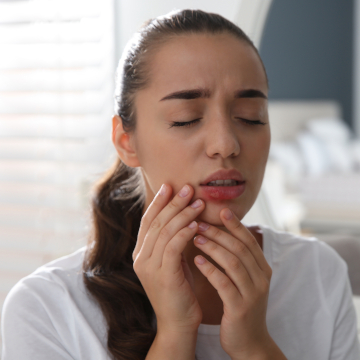
The symptoms of TMJ disorders can vary in severity, but common signs include:
- Jaw pain or tenderness
- Ear pain or pressure around the ear
- Difficulty chewing or discomfort while eating
- Locking of the jaw, making it hard to open or close your mouth
- Clicking, popping, or grinding sounds when moving the jaw
- A bite that feels “off” or uneven
- Swelling on the sides of the face
What is Lockjaw?
Lockjaw, also called trismus, occurs when jaw muscles spasm and limit the ability to open the mouth fully. While often associated with tetanus, lockjaw can also be caused by TMJ disorders, trauma, or infections in the jaw or throat.
Diagnosing TMJ Disorders and Lockjaw
A thorough examination by a dental professional is essential for accurate diagnosis.
This may include:
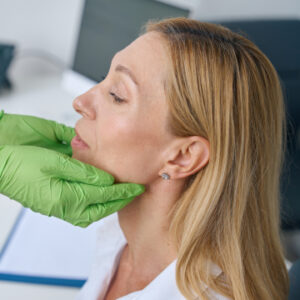
- Physical Exam: Checking for tenderness, pain, or restricted jaw movement, and listening for clicking or popping sounds.
- Dental X-Rays: Assessing jaw alignment and joint structure.
- MRI or CT Scans: Providing detailed images of bones, cartilage, and soft tissues in the TMJ.
Treatment Options
Treatment depends on the severity of the condition:
- Medications: Pain relievers, anti-inflammatory drugs, or muscle relaxants.
- Therapies: Physical therapy exercises to improve jaw mobility and reduce pain.
- Oral Appliances: Custom mouthguards or splints to prevent teeth grinding and relieve TMJ strain.
- Surgery: Reserved for severe cases when other treatments are ineffective.
Preventing TMJ Disorders and Lockjaw
While not all TMJ problems are preventable, some steps can reduce risk:
- Avoid excessive jaw activity like gum chewing or biting hard foods
- Use protective gear during contact sports
- Manage stress to prevent jaw clenching or teeth grinding
- Schedule regular dental check-ups to detect early signs of TMJ issues
Get Relief for TMJ Pain in Scotts Valley, CA
Living with TMJ pain or lockjaw can affect your ability to eat, speak, and enjoy everyday activities. At Ebrahimian Integrative Dentistry | Scotts Valley, CA (831) 438-4411, our experienced team provides personalized TMJ treatment designed to relieve pain, improve jaw function, and enhance your quality of life.
If you suspect you have a TMJ disorder or lockjaw, don’t wait. Call us today at (831) 438-4411 to schedule a consultation and take the first step toward lasting relief.